Relief From Chronic and Acute Back Pain
Back Pain Treatment That Gets You Moving Again
Back pain can come from many sources, including muscle strain, disc problems, arthritis, and nerve compression, and it can range from a dull, occasional ache to pain severe enough to affect your daily life. Understanding the underlying cause is the first step toward finding real, lasting relief rather than just managing symptoms as they come.
As a back pain specialist, Dr. Nishant Gandhi provides advanced, personalized pain management for patients throughout Wexford and the greater Pittsburgh area. He takes the time to evaluate each patient's specific condition and build a treatment plan suited to their needs, rather than a one-size-fits-all approach.
If back pain has been affecting your ability to work, sleep, or enjoy everyday activities, don't wait to get answers. Schedule an appointment today and take the first step toward relief.

Understanding Your Treatment Options
Back Pain Treatment Options
Effective back pain treatment starts with an accurate diagnosis. Dr. Gandhi evaluates each patient's history, symptoms, and any prior imaging or treatment to determine the most likely cause of their pain, then recommends a treatment plan based on the severity and source of the condition. Depending on your diagnosis, treatment may involve one or more of the following approaches.
Common Causes of Back Pain
Back pain has many possible causes, and identifying the right one is essential for effective chronic back pain treatment. Common causes include:
- Degenerative disc disease, where the cushioning discs between the vertebrae wear down over time
- Herniated or bulging discs that press on nearby nerves
- Spinal stenosis, a narrowing of the spinal canal that can compress nerves
- Facet joint arthritis, which affects the small joints connecting the vertebrae
- Muscle strain or ligament sprain from injury or overuse
Epidural Steroid Injections
An epidural steroid injection for back pain delivers anti-inflammatory medication directly into the epidural space around the spinal nerves. This can reduce inflammation and pain caused by conditions like herniated discs or spinal stenosis, often providing relief that lasts for weeks or months. Many patients use this window of relief to participate more fully in physical therapy or other rehabilitative care.
LEARN MORE
Medial Nerve Branch Blocks
A medial branch nerve block involves injecting a local anesthetic near the small nerves that supply the facet joints of the spine. This procedure can help confirm whether a facet joint is the source of a patient's pain and often provides temporary relief. In some cases, it also serves as a diagnostic step before more targeted treatments.
LEARN MORE
Radiofrequency Ablation
Radiofrequency ablation (RF ablation) for back pain uses heat generated by radio waves to disable the specific nerves responsible for transmitting pain signals from an affected joint. This treatment is often used for patients who've had positive results from a diagnostic nerve block, and it can provide longer-lasting relief than injections alone, sometimes for a year or more.
LEARN MORE
Spinal Cord Stimulation
For patients with chronic back pain that hasn't responded well to other treatments, spinal cord stimulation offers another option. This treatment uses a small device to send mild electrical pulses to the spinal cord, which can interrupt pain signals before they reach the brain. It's often considered for patients with conditions like post-laminectomy syndrome or complex regional pain syndrome. Patients dealing with widespread or unusual pain patterns may also benefit from Dr. Gandhi’s general pain management services.
LEARN MORE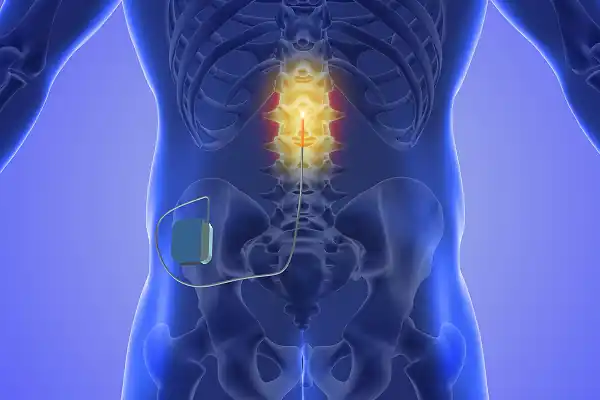
Frequently Asked Questions
What are the most common causes of back pain?
Back pain can result from a range of conditions, including degenerative disc disease, herniated discs, spinal stenosis, facet joint arthritis, and simple muscle strain. Identifying the underlying cause is important because it determines which treatment approach is likely to be most effective. A thorough evaluation, which may include a physical exam and review of imaging, helps pinpoint the source of your pain so treatment can be targeted rather than general.
How long does relief from an epidural steroid injection typically last?
Relief from an epidural steroid injection varies from patient to patient, but many people experience meaningful pain reduction for several weeks to a few months. Some patients use this period of relief to engage more fully in physical therapy, which can help extend the benefits. If pain returns, additional injections or other treatments, such as radiofrequency ablation, may be considered.
Is radiofrequency ablation a permanent solution for back pain?
Radiofrequency ablation isn't typically considered a permanent solution, but it can provide longer-lasting relief than injections alone, often for a year or more. Because the treated nerves can eventually regenerate, some patients choose to repeat the procedure when pain returns. Dr. Gandhi will discuss what to expect based on your specific condition and response to treatment.
How do I find a back pain doctor near me?
Scheduling with Dr. Gandhi’s Wexford office is simple. He offers convenient online scheduling, so you can book an appointment at a time that works for you. Most new patients are seen within two weeks, so you can start your treatment plan without a long wait. The team looks forward to helping you find relief.